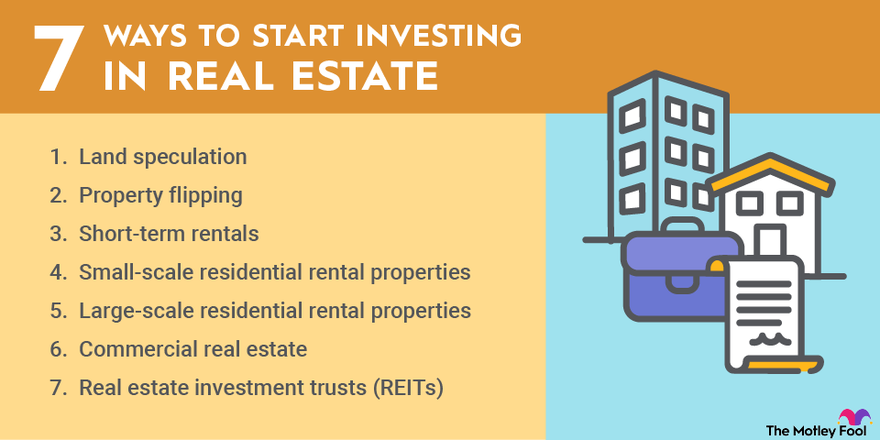
The Advantages of Investing in Real Estate: A Comprehensive Guide

Introduction

Real estate investment is one of the best ways to invest your money. It is an excellent way to build wealth and increase your net worth over time. When done correctly, investing in real estate can provide a steady stream of passive income that can last for many years. In this article, we will go over the advantages of investing in real estate.

Advantages of Investing in Real Estate

1. Cash Flow

When you invest in real estate, you can generate cash flow from rental income. This rental income can cover your expenses, such as mortgage payments, taxes, insurance, repairs, and maintenance. The net cash flow can be used for other investments or reinvested in the property to increase its value.

2. Appreciation

Real estate has historically appreciated in value over time. When you invest in real estate, you can benefit from this appreciation. The value of your property can increase over time, allowing you to sell it for more than what you paid for it. It is essential to note that appreciation is not guaranteed, and like any investment, there are risks involved.

3. Tax Benefits

Investing in real estate provides several tax benefits. You can deduct your mortgage interest, property taxes, repairs, and maintenance expenses from your taxable income. Additionally, you can defer paying taxes on the capital gains from the sale of your property by using a 1031 exchange.

4. Control

Investing in real estate gives you control over your investment. You can decide how to manage your property, set the rent, and make improvements to increase its value. You can also choose to sell the property when the time is right for you.

5. Diversification

Real estate investment provides diversification from other investments like stocks and bonds. Real estate has a low correlation with other asset classes, meaning that it can help reduce your portfolio’s overall volatility.

FAQs

Q: Is real estate a good investment for beginners?

A: Yes, real estate can be an excellent investment for beginners. However, it is essential to do your research and due diligence before investing. It would also help to consult with a real estate professional to guide you through the process.

Q: How much money do I need to start investing in real estate?

A: The amount of money you need to start investing in real estate depends on several factors, such as the type of property you want to invest in, its location, and your investment strategy. You can start with as little as $5,000 by investing in a real estate investment trust (REIT), or you can finance your property using a mortgage.

Q: Are there any risks involved in investing in real estate?

A: Yes, there are risks involved in investing in real estate, such as declining property values, vacancies, repairs, and maintenance costs. It is essential to understand these risks and have a plan in place to mitigate them. Working with a real estate professional can help you manage these risks effectively.
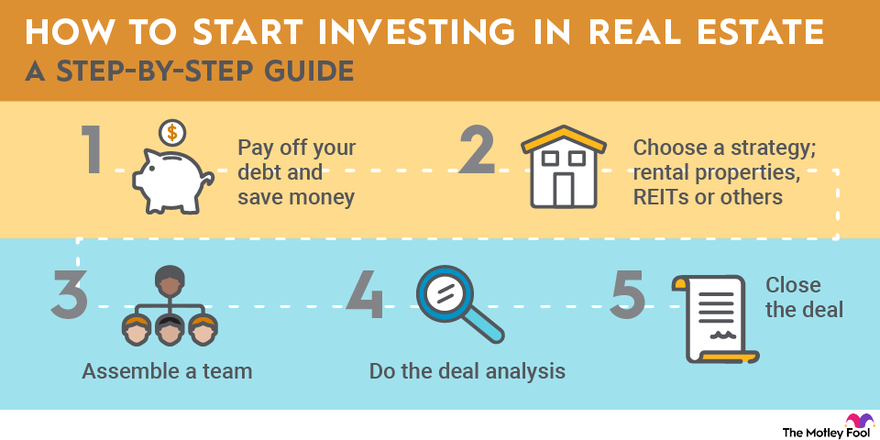
Does Your Real Estate Investment Club Do it For You?

First let’s decide if we are looking for a real estate investment club, group, or association.

In many cities, you may just have to take what you can get. But if you have a choice you may find there might be a difference and you probably need to check out each group in your city that offers the most. But given the choice would you want to go to an Attorney that was a member of the “Lawyers Club” or would want one that was a member of the “Missouri Bar Association.”

The word club tends to come across as people who share a hobby and do you want to invest in real estate as a hobby or invest in real estate as a business. Then when you look at group, it seems to give you a feel of a loosely associated bunch of people, so if you want to foster change in legislation for example, would loosely associated people be able to do that. Association on the other hand means a group of organized people, who share a full time goal, and work together for the betterment of all involved.

So what should you look for in a group:
1. Look for an association that meets at least monthly if not more. This gives you a time to attend, meet people, have people meet you, ask questions, learn, network. If you have a choice this is the ideal situation. Now if the group only meets online or virtually, you might try to work with this group and see if you can’t find a way to get the people at the virtual meeting to attend a live networking events in town – be sure to work with the leader of the virtual group.

2. Look for a association that has meetings that offer both networking time and speaker time. You want a chance to learn from the speaker as well as time to talk to other people at the event. You also want a group that actually networks, this means that people are going around the room and talking to a lot of different people, not just breaking up into their own little cliques for the duration.

3. Also look for a realestate association that has an active online presence that offers extra stuff like:
a. Webinars for bonus training opportunities. This allows you to squeeze in one or two extra training events – usually on your time as they are recorded and you can listed to whenever you want to if you can’t make the live version of it.
b. Online networking opportunities through an active message board. This means you have a place to go and ask a question to the group and get multiple responses in between meeting times.
c. Recording of the speakers at meetings. So while I know you are going to attend every meeting, you might miss something and having the ability to go back and replay a part or all of a meeting is very beneficial.

4. Look for a real estate investing association that stays up to date with what is happening with local and national regulations. You want to find an association that brings you information about rules and regulations, local trends, and market data.

Again, you have to take what you can get. So if you can’t find an association in your area that offers all of these things, you might get involved with the only one you have and help them offer these things. It may just be that they want to offer these things but don’t have the willing and able bodies to provide these things. And if you have to start your own group National REIA ( http://www.nationalreia.com/ ) will help you provide all of these things.

This article is a part of a series of articles to help new people and experienced people figure out how to utilize their REIA group and build their investing team. Please watch for our previous or upcoming articles:
1. Where to find a real estate investment club.
2. What to look for in a real estate investment club.
3. What to take with you to a real estate investment club meeting.
4. Get the most out of the vendors at the real estate investment club meeting.
5. Networking at the real estate investment club meeting.
6. Learning at the real estate investment club meeting.
7. Follow up after the real estate investment club meeting.
8. Beyond the real estate investment club meeting.

Tips for Investors and Tenants: How to Make the Most of Your Real Estate Investment

Investing in real estate can be a smart financial decision, but it’s important to approach it with careful planning and research. Whether you’re a seasoned investor or a first-time tenant, follow these tips to make the most of your investment.

1. Location, Location, Location

The old adage holds true – investing in a good location is key. Consider factors such as proximity to public transportation, schools, shopping, and other amenities. Keep an eye out for up and coming neighborhoods that may offer affordable investment opportunities before they become too popular.

2. Know Your Budget

Before making any investment decisions, it’s important to know your budget. Figure out how much you can afford to invest or rent without stretching your finances too thin. Be sure to factor in other expenses such as maintenance costs, property taxes, and insurance when calculating your budget.

3. Do Your Research

Don’t rush into any investment decisions without doing your due diligence. Research the local market trends, rental rates, and potential returns on your investment. If you’re considering buying a property, get a professional inspection to avoid costly surprises later on.

4. Consider Long-Term Goals

Real estate investments are typically long-term commitments, so think about your long-term goals. Are you investing for rental income, future resale value, or both? Consider how your investment fits into your overall financial strategy and goals.

5. Seek Professional Advice

Real estate investing can be complex, so seek advice from professionals such as real estate agents, attorneys, and financial advisors. They can help guide you through the process and ensure that you make informed decisions.

FAQ:

Q: Can I invest in real estate with little to no money down?

A: It’s possible to invest in real estate with little to no money down, but it often requires creative financing options such as using a home equity line of credit, partnering with other investors, or utilizing government programs. However, it’s important to carefully consider the risks before pursuing these options.

Q: Is it better to buy or rent a property?

A: The decision to buy or rent ultimately depends on your personal financial situation and goals. Buying a property can offer long-term financial benefits, but requires a significant upfront investment and ongoing maintenance costs. Renting may offer more flexibility and lower upfront costs, but does not provide the same long-term financial benefits.

Q: How do I choose a good property manager?

A: Choose a property manager with experience and a good track record. Look for someone who is responsive, knowledgeable, and organized. Ask for references and read reviews from other clients to get an idea of their reputation.

Tag: Real Estate Investment Tips